Billy Looker
These guys are amazing needed a boiler part urgently they sourced and delivered quickly and were much cheaper than any other merchants they really are PRECISE on what they do can’t recommend enough
– via Google


When the heating goes on and the windows stay shut, many London homes start to show wet windowsills, musty corners and black spots on the bathroom ceiling. Here is how to tell which kind of damp you have, what causes it and the practical fixes that really work.
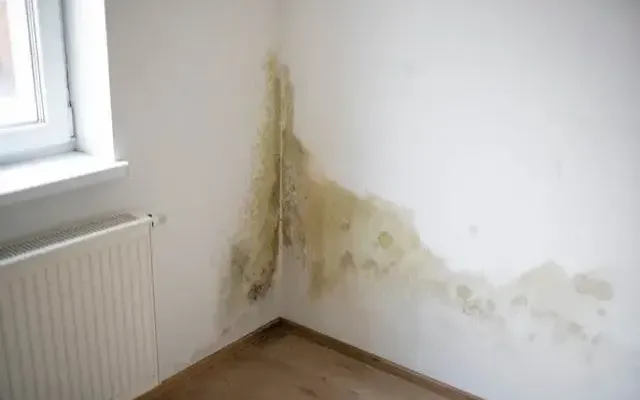
October is when the trouble starts. The heating comes on, the windows stay closed and the air indoors suddenly has nowhere to go. Within a few weeks many London homes show the same signs: streaming windows first thing in the morning, a musty smell in the wardrobe and grey or black spots creeping across the bathroom ceiling. Damp and mould are not just unsightly. They damage plaster, paint and timber, and mould spores can aggravate asthma and allergies. The good news is that most cases are caused by condensation, and condensation is something you can control. This guide explains how to identify the type of damp you have, where the moisture comes from and the fixes that make a lasting difference.
Warm air holds far more moisture than cold air. When warm, moist air from a shower or a pan of pasta meets a cold surface such as a window pane, an outside wall or the back of a wardrobe, it cools and releases that moisture as water droplets. In summer, open windows carry the moisture away. In winter we seal our homes up to keep the heat in, so the moisture stays put.
London housing makes this worse. Victorian and Edwardian terraces often have solid brick walls with no cavity, so the inside face of the wall stays cold. Many flats have small kitchens and bathrooms with no opening window. Newer homes are much more airtight, which saves energy but means ventilation has to be designed in and kept working.
Before you spend any money, work out which type of damp you are dealing with. The fix for one will not cure the others.
If you are not sure, a simple test helps. Tape a square of kitchen foil tightly to the damp area and leave it for a day or two. Moisture on the room side of the foil points to condensation. Moisture underneath it suggests the water is coming through the wall.
An ordinary household releases several litres of water vapour into the air every day without anyone noticing. The biggest sources are:
Cutting down on these at source is the cheapest fix of all. Put lids on pans, close the bathroom door while showering and dry washing outside or in a closed room with the window open and the door shut whenever you can.
Good ventilation removes moist air before it has a chance to settle. Building Regulations in England set minimum extract rates for new and replacement fans, including 15 litres per second for an intermittent bathroom fan and 30 litres per second for a cooker hood that extracts outside. Plenty of older fans fall short of this, or have simply stopped working.
Any new fan in a bathroom must have a suitable IP rating for its position, and wiring work in bathrooms should be carried out by a qualified electrician.
Cold surfaces attract condensation, so how you heat your home matters as much as how much. Short blasts of heat followed by long cold spells allow walls to cool down, and moisture then settles on them. A steady, moderate background temperature is usually more effective and not necessarily more expensive.
Small patches of surface mould can usually be dealt with yourself. Larger areas, mould that keeps returning quickly, or mould in a home where someone has a respiratory condition, are worth getting professional advice on.
Remember that cleaning only treats the symptom. Unless you also reduce the moisture, the mould will return.
Autumn is the ideal time to look for the causes of penetrating and rising damp before the worst of the winter weather arrives.
A digital hygrometer costs very little and takes the guesswork out of the problem. For most homes, indoor relative humidity of around 40 to 60 percent is a comfortable target. Readings that sit above 60 percent for long periods, particularly in bedrooms in the morning, are a clear sign you need more ventilation, steadier heating or both. In rooms that stay stubbornly humid, a dehumidifier can make a real difference while you tackle the cause.
If you rent, report damp and mould to your landlord or letting agent in writing as soon as you notice it, with photos and dates. Landlords have a duty to keep homes free from serious hazards, and in England Awaab's Law now requires social landlords to investigate and fix dangerous damp and mould within set timescales. For landlords, sorting out ventilation and heating early is almost always cheaper than repairing damaged plaster and redecorating later.
Our team in Wimbledon helps homeowners, landlords and tradespeople tackle damp every winter, from choosing the right extractor fan for a windowless bathroom to finding the ducting, vents and valves for a full ventilation upgrade. We stock extractor fans with timers and humidistats, ducting and fittings, thermostatic radiator valves, sealants and the plumbing and electrical supplies you need to keep your home warm and dry.
Visit our trade counter at Unit 17, Windsor Park Industrial Estate, Wimbledon, London SW19 2TJ. We are open Monday to Friday from 7am to 5pm and Saturday from 8am to 1pm. You can also order online for click and collect, or take advantage of free delivery on orders over £150. Not sure where to start? Call us on 0208 143 4192 and we will be happy to give you some expert advice.
Billy Looker
These guys are amazing needed a boiler part urgently they sourced and delivered quickly and were much cheaper than any other merchants they really are PRECISE on what they do can’t recommend enough
– via Google
Andrii Hlek
A great place, here you can find everything for plumbing and not only. The service is on top!
– via Google
David Fleming
I deal with both Chris and Valdas who are helpful, competitive and both have really helped me sort jobs out with speedy deliveries
– via Google